A fairly low-grade guy, Ángel was already half-gone before he even went
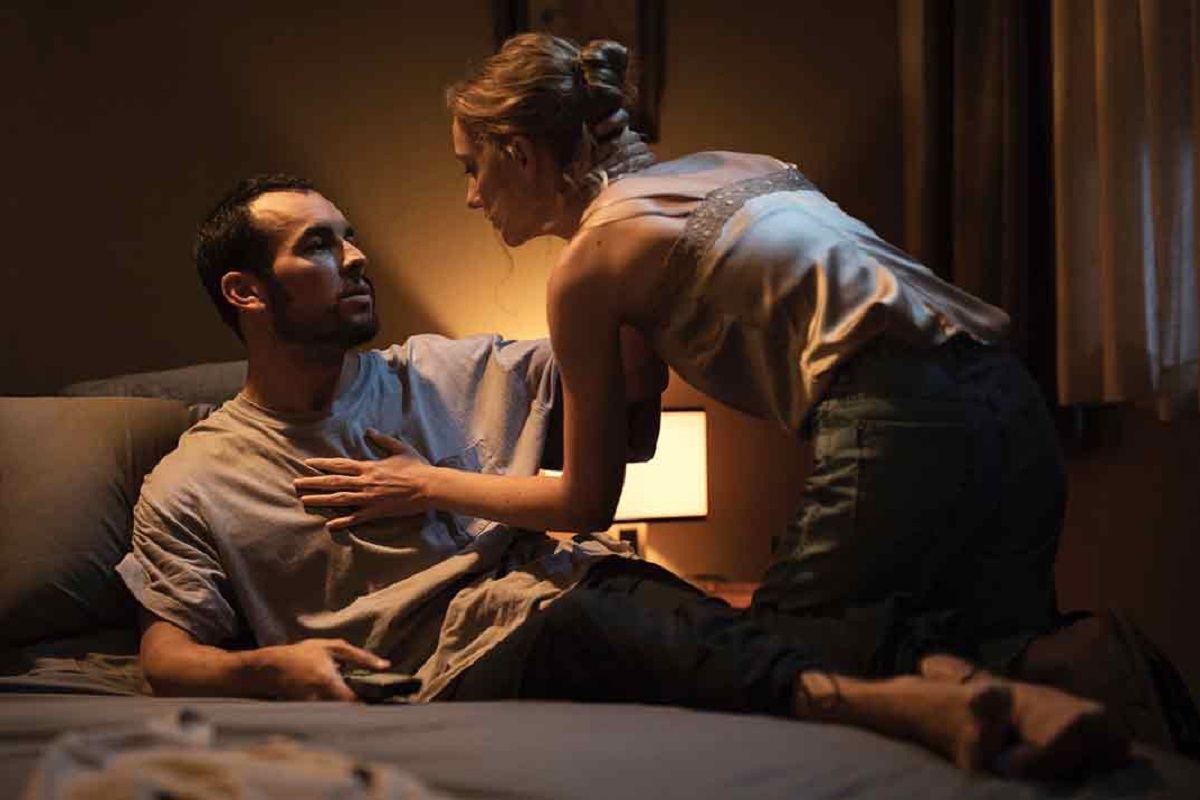
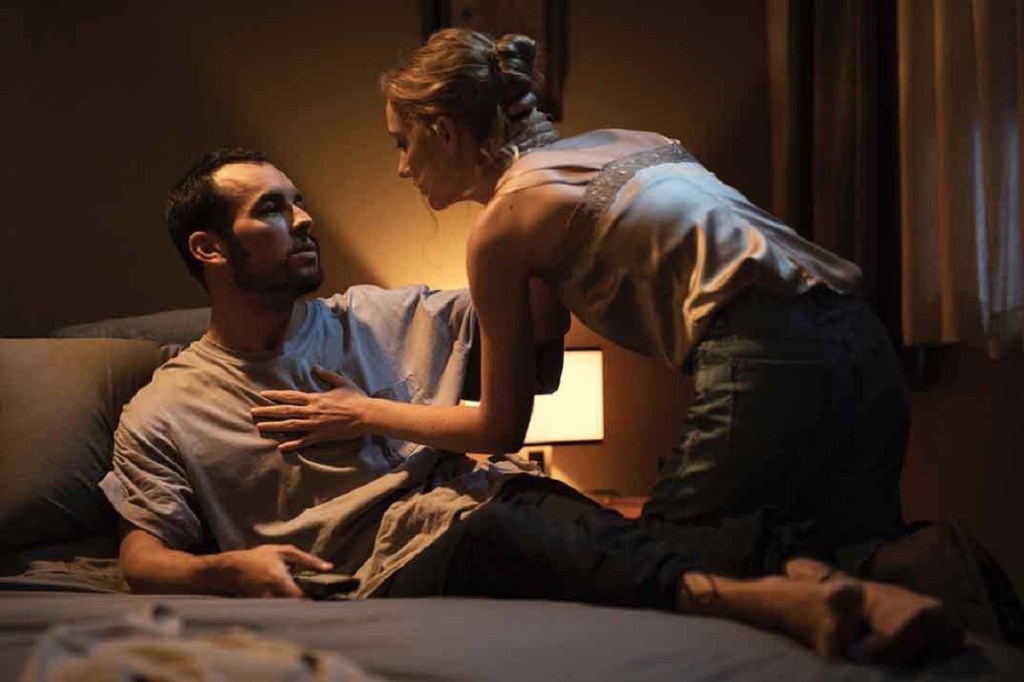
Ángel (Mario Casas) is a paramedic in the ambulance service. Stable job, reasonable flat, beautiful girlfriend Vane (the elfin Déborah François), and talk of babies: life seems to be going in the right direction. However, after tragedy strikes during a call-out, Ángel becomes increasingly distant and suspicious of Vane.
The Paramedic a.k.a. El Practicante is a good film. Well-acted, it keeps us with bated breath. A fairly low-grade guy, Ángel was already half-gone before he even went, so his downward spiral seems less a transformation than a totally believable and natural development. But herein lies somewhat of a problem: I couldn’t quite understand what Vane saw in Ángel even from the beginning. Another problem was the end. It seemed hollow, although that’s perhaps in keeping with the tone of the film. But more than that, it seemed slightly unbelievable.
The dark tone and machinations of the characters keep us dutifully hooked. Suspenseful, thrilling, a disturbing slow-burn, and yet somewhat lacking; the movie’s trajectory felt almost inevitable from the get-go.
A disturbing slow-moving thriller which never quite lands a killer blow. Still very much worth a watch.
A film that the critics will wax lyrical over … but which actually doesn’t live up to its promise.
Bol and Rial Majur (Sope Dirisu and Wunmi Mosaku) had fled the brutal civil war in Sudan and fared a treacherous passage across the sea to the UK. After being given temporary leave to remain in Britain, their life looks bright–er. That is, until a menacing presence in their new home begins to interfere with their new lives.
His House begins with a wonderful premise that sees our characters trying to make a new life in a dilapidated council house on, perhaps, the worst council estate in England. The visuals are stunning and it’s genuinely scary — at first, that is, until the jump scare trick gets repeated once too many times. But there is some beautiful visual poetry.
This is a movie which, both for thematic and artistic reasons, I desperately wanted to love. Sadly, the wonderful premise and promise fall away rather quickly as the film really seems to fizzle out half way through act two. There is never enough threat to our main characters, nor mystery about what is going on. This is a real shame.
A film that the critics will wax lyrical over–it’s currently 100% fresh on Rotten Tomatoes, but believe me, it’s not that good–but which actually doesn’t live up to its promise. A visually-engaging albeit ultimately hollow movie.
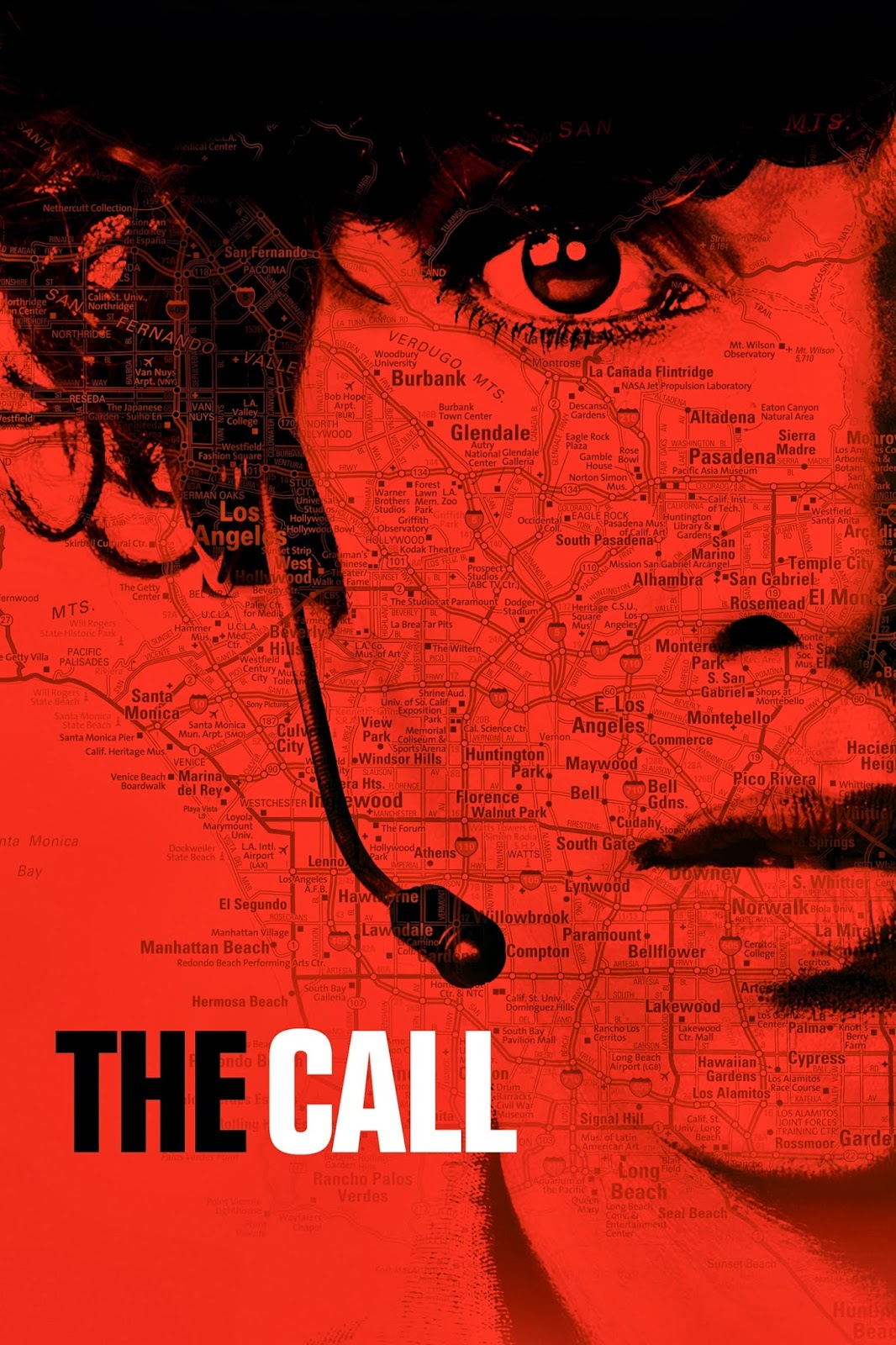
Veteran 911 operator Jordan (Halle Berry) receives a call from a teenage girl, Casey (Abigail Breslin), who has just been abducted and is currently locked in the boot of her kidnapper’s car. As would-be killer Michael (Michael Enklund) drives Casey to an unknown location for a certain death, Jordan must battle her own demons and find Casey — before it’s too late.
The Call is a tense, non-stop, thoroughly riveting thrill-ride. The performances all round were great, Michael Eklund giving a big but convincing turn as murderer Michael, and the direction was accomplished and what we would expect from Brad Anderson. The use of different kinds of minority characters, without rubbing our faces in the production’s self-righteousness, was actually refreshing and empowering and not at all distracting.
The very last moment of the film was admittedly somewhat forced, although only if we take our characters’ word for it, which I didn’t (no spoilers, so sorry for the vaguery). And some critics have poo-pooed the third act, but I found it a believable and natural development of the story. Frankly, The Call is the exact kind of film that the critics love to hate: it’s just straight-up, thrilling cinema with no pretensions.
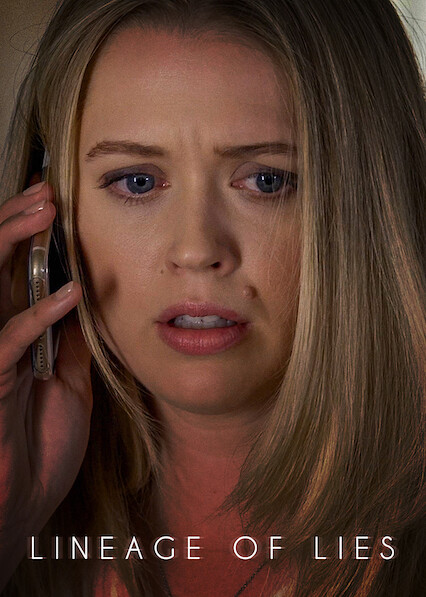
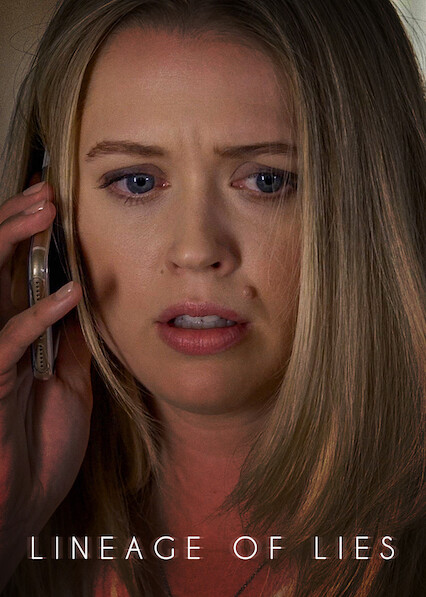
Samantha (Brooke Newton) has no family whatsoever apart from her mother who was herself adopted. So when her mum suddenly dies, pregnant Samantha’s world is plunged into chaos only to be saved by the unexpected arrival of her grandmother (soap stalwart Robin Riker) who is looking to make up for lost time. But does Granny have ulterior motives?
Lineage of Lies, also colourfully known as Psycho Granny, is classic network TV movie stuff. Low budget, over-acted, melodramatic, massive spoiler in both titles, and with things that make no sense. For example, how is our psycho granny able to lug 200lb dead bodies about, in public, without being seen or putting a hair out of place? Why does she only look just old enough to be Samantha’s mum, let alone grandmother? Why does someone who is self-evidently so brilliant at deception make the most rudimentary and careless errors, such as leaving dead people’s mobiles lying around for our protagonist Samantha to find? We also had plot dead-ends: why don’t the people from her past deceptions, who we are introduced to, catch up with or threaten her or her schemes in some way?
Having said all that, I loved it. This is typical student / unemployed / housewife / hungover / late night / corona furlough guilty-pleasure viewing. As for the plot, we know from the outset what Granny’s game is, and the fun is in seeing how she goes about bringing her plan to fruition. What I particularly liked about the film is that granny is after emotional not financial enrichment. Very human.
There’s no way this film can be considered “good”, but it’s enjoyable nonsense, none-the-less.
it is totally unbelievable that anyone that age [seven years old] would not remember their own parents clearly.
Kathy Rhodes’ (Molly Hagan) seven year old daughter Michelle disappeared on the way to school. Now, twenty years later, the arrival in town of twenty-seven year Michelle Jacobs (Sofia Mattsson) sparks off an obsession: has Kathy’s little girl somehow returned to her?
The Mystery of Michelle a.k.a. Long Lost Daughter is an entertaining TV movie and feature length debut from writer Joe Ryan Laia. The characters are generally sympathetic and believable. However, Kathy’s obsession with Michelle generally lacks the edge or menace required to make this movie really pop, except suddenly and therefore somewhat jarringly towards the end, and I feel this is a missed opportunity for Laia as it would have been easy to fix in a redraft. The movie therefore often plods along rather than zips.
The ending is fairly satisfying but also curious: what was apparently meant to be the cherry on the cake showing the sweetness and humanity of Michelle Jacobs instead comes across as giving her rather sociopathic tendencies. A bit of a discordant misstep to end the story with. But the most curious aspect of the plot, as it would be so easy to sort out and would have multiplied the drama tenfold, was Michelle’s age when she disappeared. She was seven. Not three. Not four. Not even five. But seven. The tension of the films depends on believing that Michelle’s own early memories of her real family could be confused and blurred. Yet it is totally unbelievable that anyone that age would not remember their own parents clearly.
None-the-less, there were some great scenes with neat writing and lovely acting, such as the tense dinner between Kathy, her husband, Michelle, and Michelle’s husband-to-be. This scene was very relatable, somewhat humorous, vaguely menacing, and the performance from Hagan really exuded guarded motherly love.
left such a powerful impression but at times failed to make a sharp impact.
Disappearance at Clifton Hill follows a troubled young woman whose return to her hometown at Niagara Falls triggers a disturbing memory from her childhood. Did her seven year old self really witness a child’s kidnapping all those years ago, or is it all just a confused memory, or a fantasy?
Tuppence Middleton gives a convincing performance of unbalanced, charismatic, driven loner Abby. I was captivated, totally believing that she is capable of all the deviousness she gets up to. The other cast members are also good, the film-stealing turn coming from director-turned-actor David Cronenberg (yes, the same). Unfortunately, the important role of the Moulins (Paulino Nunes and Marie-Josée Croze) seemed like a side of overdone eggs with extra ham. The sound design was unsettling and was key to the eerie, almost surreal and dream-like atmosphere of the film.
The film was a little bit tricky to follow, especially at the beginning, and the ending felt like it needed a more distinct underlining. But that was befitting a picture which left such a powerful impression but at times failed to make a sharp impact. None-the-less, I was along for the ride.
A wonderful portrait of a lonely woman in a town of lonely souls, Disappearance at Clifton Hill sometimes lacked edge and at times veered off into crime series territory (in terms of acting, story, soundtrack), but it was an enjoyable and engrossing ride — albeit too slow-going for some viewers.
Please ignore the 5.0 IMDb and 14% Rotten Tomatoes scores.
A man wakes up in a hospital bed, bandaged from head to toe, and with no memory or who he is. But when our nameless protagonist (Jonathan Rhys Meyers) learns that he is a wanted serial killer, something just doesn’t sit right, and he won’t stop until he finds out who he really is and what happened to him.
Awake is a tense, fast-paced crime mystery with twists. Rookie writer Elana Zeltser makes a solid if not ground-breaking screenplay debut. The script, whilst not as clever as Memento (1999) or as taut as Taken (2008), is well-written with believable plotting and dialogue. Our leads, Meyers and Francesca Eastwood, also really sell the film, although the acting from Malik Yoba (detective Frank Ward) had a tendency to veer off into TV movie territory.
Please ignore the 5.0 IMDb and 14% Rotten Tomatoes scores. This film is much better than that. Riveting, fast-paced, not overly obvious albeit not earth-shakingly original, this is a lovely little movie to spend 92 minutes with.
imagine a Scary Movie where the wonderful Anna Faris and Regina Hall actually thought they were giving solid dramatic turns.
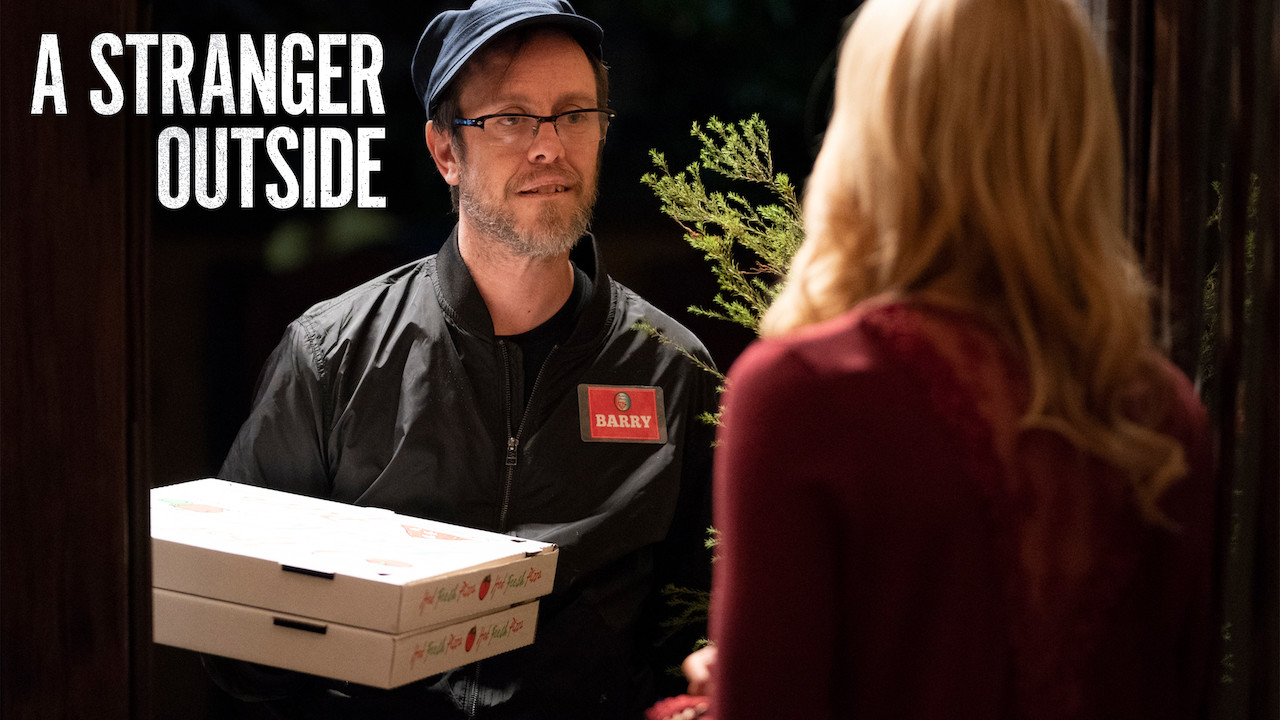
A baby-sitter finds herself trapped in a house playing cat and mouse with a masked serial killer. Sound familiar? A Stranger Outside is standard ’90s Scream-style shlock, albeit without the self-awareness. But it wins points for some interesting plot ideas. For example, the baby-sitter is really a nurse who has taken the gig as a way of getting some easy cash after suffering a career and confidence crisis due to the death of a vulnerable child in her care.
The first half of the movie was trite, and the acting was a little over-the-top, although our lead Brittany Underwood was giving a decent turn. The less said of the performances by her co-stars Mark Grossman (boyfriend Jeremy), Michael Chandler (incompetent Dr Mixer), Jet Jurgensmeyer (baby-sittee Toby), or best friend Kaci (Shanica “No Relation” Knowles), the better. Things really fall apart in comedy style when the killer starts a-killing. The Scary Movie-like knife thrusts, slicing through pieces of paper, cowering beside counters, and hysterical screaming were beyond absurd; imagine a Scary Movie where the wonderful Anna Faris and Regina Hall actually thought they were giving solid dramatic turns.
This film is also oddly disjointed. The first half, a 90s throwback cliché, albeit mildly entertaining. The second half, a spoof movie not realising it’s a spoof movie. Indescribably awful, but in its awfulness, thoroughly enjoyable nonsense. A jumble of decent scenes and terrible scenes, passable acting and insanely awful acting, make for a diverting 90 minutes.
surely ranks as one of the most terrifying examples of the genre that I have ever seen.
I am a huge and borderline obsessive Game of Thrones fan. I mean, I don’t dress up and go to the conventions. And my bookshelf doesn’t boast a crumbling copy of David J. Peterson’s book Living Language Dothraki. But it certainly can’t be healthy for a 35 year old man to be repeatedly kept awake at night by an almost endless stream of fantasies where he inhabits the Game of Thrones universe as a key protagonist. How would I react if my dragons—-Wake up, Bryan, you pathetic manchild, and smell the early onset midlife crisis!
Given that context, it is very surprising to me that I somehow missed 2014’s Honeymoon starring as it does GOT‘s very own Ygritte, a.k.a., the ridiculously lovely Rose Leslie.
Leslie and co-star Harry Treadaway play head-over-heels-in-love newlyweds, Bea and Paul, who just can’t keep their hands off each other. We join them as they start their honeymoon in Paul’s family cabin in the woods. Our leads give believable albeit slightly off-centre performances, but their quirkiness brilliantly foreshadows the disturbing story to come. Paul wakes up to find Bea sleepwalking alone in the woods. Things start to fall apart quickly for the young couple as it becomes clear that something very bad happened that night.
But what happened in the woods that night? And what is happening to them now? The film never fully spells the answers out. There are many possible interpretations. Mine is extraterrestrial rape. And I think when read as an alien abduction film, Honeymoon surely ranks as one of the most terrifying examples of the genre that I have ever seen. Indeed, if alien abductions really do happen, this film paints a deeply convincing picture of the literally alien / otherly horror of that experience. Although I repeat: the interpretation of what happened is very open.
However, don’t get bogged down in the specifics of what actually happened to Bea. The events, alien rape or otherwise, are merely an incidental device to explore what can happen to a healthy and seemingly rock solid relationship when one partner is violated in some way. The actual violation could be viewed as unwanted pregnancy or perhaps the loss of one’s self to an illness such as Alzheimer’s. But I think this film pretty clearly had rape in mind. None-the-less, I don’t wish to suggest that this film was meant as an allegory of rape or some other specific traumatic violation. But merely that it examines a relationship after having undergone a (any) traumatic violation.
A brilliant and deeply unsettling film that gave me repeated goosebumps and made me shiver endlessly.
there is a line between teasing the viewer and being a pricktease … frankly, this movie will leave you with blue balls.
Lorenzo is a middle-aged artist who is about to have a baby with his much younger, sweetly vulnerable wife Sigrid. But as soon as she falls pregnant, her behaviour becomes more and more distant, sinister even. Or– is it all in Lorenzo’s head? It’s only when the baby is born that Lorenzo and the viewer truly plunge headlong down the rabbit hole.
The film starts with a hot sex scene. Usually a bad sign. However, not so here: The Son was a tense psychological thriller, brilliantly acted by all. Lorenzo’s headspin into wretchedness and/or madness is masterfully constructed by Joaquín Furriel who is almost unrecognisable. Heidi Toini, who plays his Norwegian wife Sigrid, gives a brilliant performance which, like the candlestick-silhouette illusion, could equally be read in two completely different ways depending on perspective; is she an innocent and worried mother or is she a sinister evil plotter? Lorenzo’s best friends Julieta and Renato are equally magnificently played by Martina Gusman and Luciano Cáceres.
Candlestick, or silhouettes? The Son masterfully plays with our perception of reality.
I couldn’t breathe throughout I was that spellbound.
This is honestly one of the best movies I have seen in the last year or two.
It could also be one of the worst.
Why?
Despite being almost perfect, the ending lets it down. But not because it was obvious or forced or too twisty or too straight-forward. Rather, the film just ends. Abruptly. You’ll understand when you see the film, but it’s like it’s missing the last two minutes. All the plot threads are pulling together when the final incident happens and — we don’t get to see the resolution. I had to think about the ending. That’s not a bad thing, the old thinsky ambigui-ending. And I think I know what happened. No spoilers, of course. But then again, judging from other people’s comments, everyone seems to have interpreted the ending differently. There is a line between teasing the viewer and being a pricktease, and with The Son we’ve crossed it; frankly, this movie will leave you with blue balls. It’s actually unacceptable that a movie this brilliant in so many ways should end with the cheap, “We’re not gonna show you!” shot at ambiguity. The writer and director should have had the balls to pick one of the possible outcomes and go with it. I have to warn you: this film is magnificent, but the bad ending — no, actual lack of an ending — is pretty disgraceful and will be, for many a viewer, film-destroying. Perhaps the book on which it is based can shed some light.
So, four stars out of five, or two out of five? I’ll have to give it a three, the weirdest and most atypical three star movie ever.







 Bryan's Magic Lantern Filmhouse