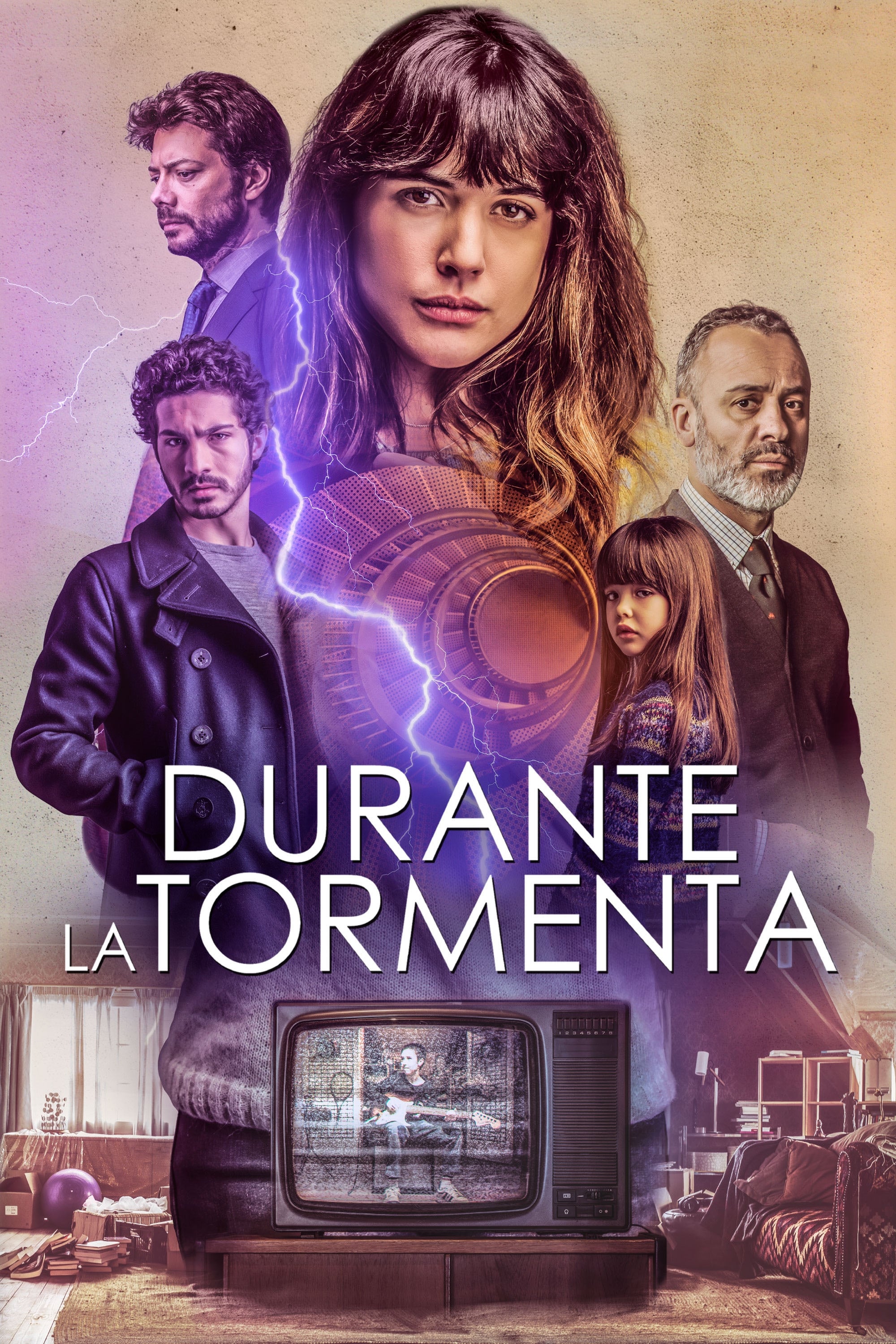
A foreboding storm is the backdrop to the sad tale of a boy who witnesses a murder and who, in fleeing the scene, is run over and killed. Twenty-five years later, an eerily similar storm forms which seems to create a link to the past. Can Vera (Adriana Ugarte) save the boy? And what consequences will follow from this?
Mirage is a mind-bending mystery crime time-travel film. Beautiful in every way. The ending is shocking and totally satisfying; it doesn’t wipe out our journey as time travel films often do (the “it was only a dream” phenomenon). Despite the fantastic set-up — a storm which acts as a kind of wormhole to the past through which people can communicate via their television sets –. Mirage is wholly believable. Like all great time travel movies, it uses the set-up to explore those “Sliding Doors” moments where your life changed totally, almost as if on the toss of a coin.
In spite of the message that ‘we should be contented with our lot, as it could be worse’, the film never moralises. The focus is the human drama.
The cast could not be better. The acting is thoroughly believable. Ugarte bears a huge weight as our dramatic lead Vera, and she delivers a naturalistic and delicate performance.
Anyone who has ever mused on what would have happened had they not caught that train, forgotten their wallet that time, or decided not to go out after all that night, that is, most people, will love this film.
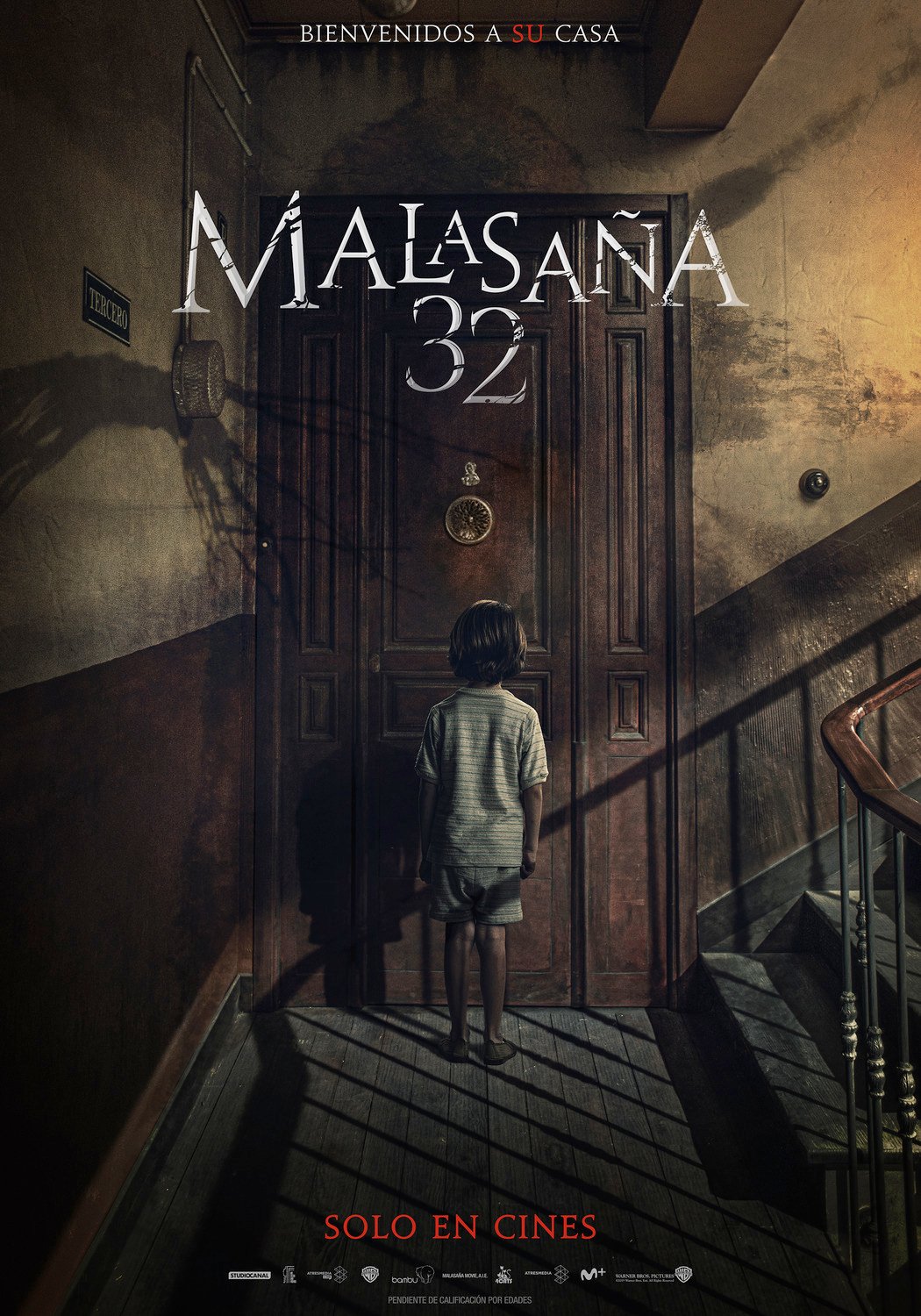
In last roll of the dice, a desperate family moves from their village to the city. They hoped their dreams would come true, but their new flat is a house out of their worst nightmares.
Fairly generic stuff: bad stuff happens in the apartment many years before, new family get short shrift from the ghost(s) of the fallen, experts in spookology get drafted in to help fix it, the shit generally hits the fan. So far so standard. But the acting, especially from Iván Marcos (paterfamilias Manolo), is powerful: broad-shouldered, literally and metaphorically, but broken, we can still just about glimpse the young and raw buck that Candela (Bea Segura) fell in love with. The film is deeply atmospheric with great use of all tropes.
The best generic horror movie for a while. But it is deeply generic.
a fairly standard hijacker flick with a horror movie twist.
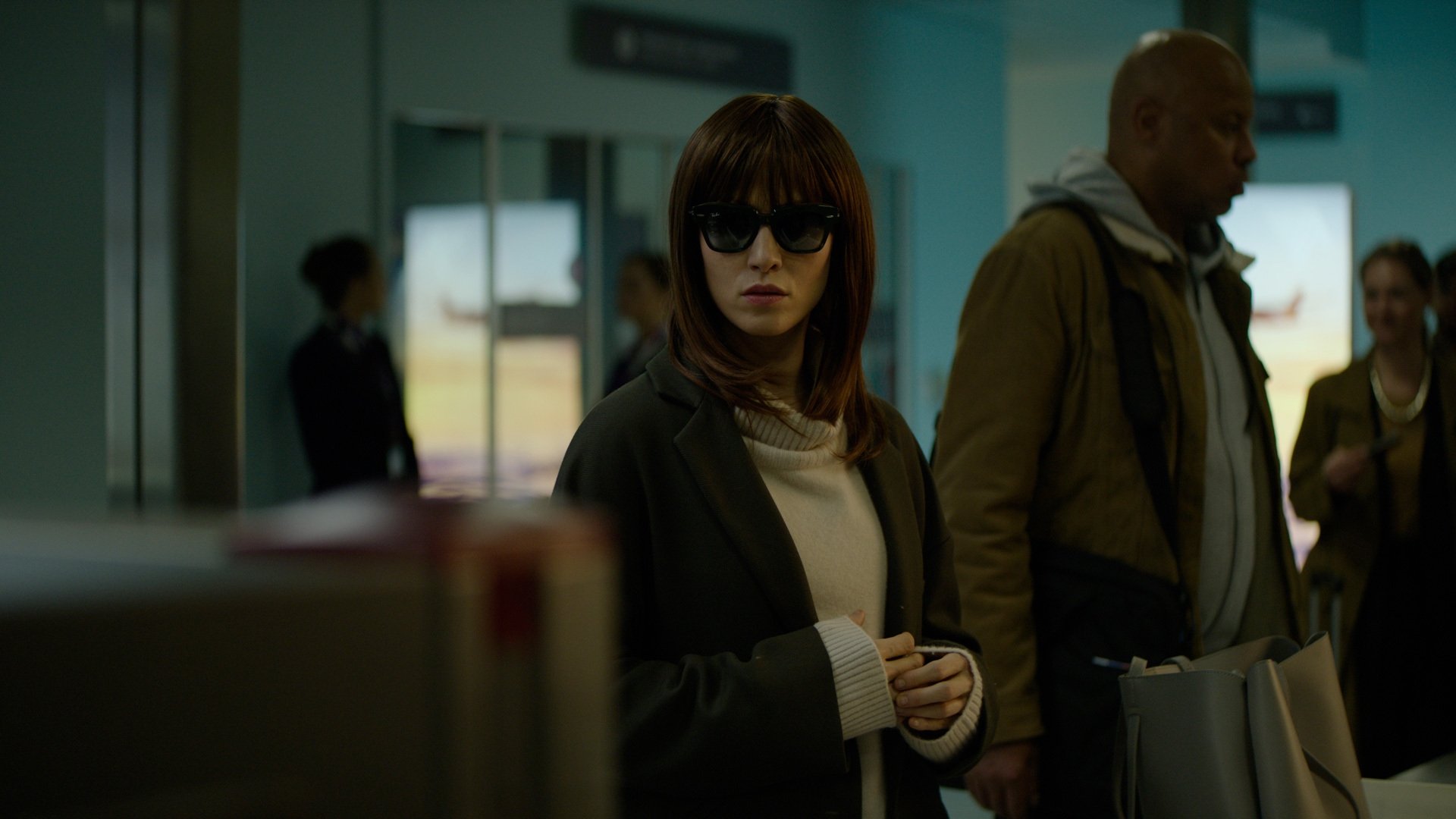
A terminally ill mother boards a transatlantic flight with her son to get specialist medical treatment overseas. However, when the plane is hijacked by a group of terrorists, she is forced to take action and do something she hoped she’d never have to do.
Blood Red Sky is a fairly standard hijacker flick but with a horror movie twist. The horror spin gives the film something extra, but the basic hijacker story is thrillingly acted and directed.
Mother and child are played well by Peri Baumeister (Nadja) and Carl Anton Koch (Elias), but the movie is frankly stolen by supporting acts Kais Setti (Farid) and mesmeric Alexander Scheer (Eightball).
The movie plays slightly better if you don’t know the nature of Nadja’s mystery illness before watching it. Sadly, all of the publicity spills the beans. None-the-less, the film is still very entertaining. A slightly unoriginal story whisks us along in the wake of its taut hijacking.
a refreshing mix of familiar ingredients in a new form, the hallmark of much groundbreaking work
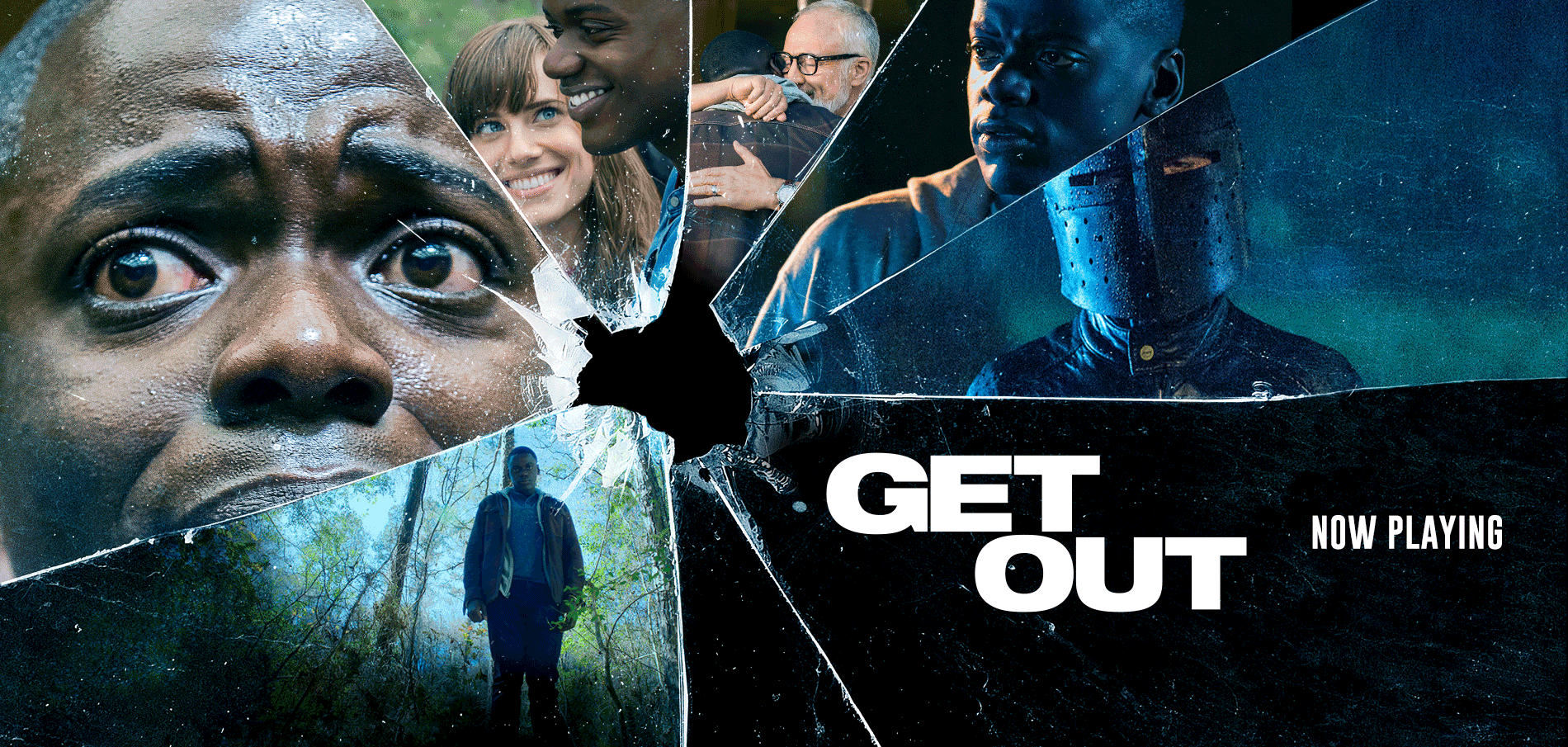
Jordan Peele’s feature debut as writer-director, Get Out, is the story of young African-American Chris (Daniel Kaluuya) and his Caucasian Apple Pie American girlfriend Rose Armitage (Allison Williams). They take a road trip to meet Rose’s posh WASP family for the first time. Chris is nervous, but Rose reassures him: “They woulda voted for Obama a third time if they could!”. Her family greets him with warm and open arms. But something’s amiss, and Chris just can’t put his finger on it. But as the hours and days go by, Chris begins to realise something is very wrong with the Armitages.
Get Out is a wonderful and surprising horror-mystery-thriller which keeps you guessing until near the end. It’s quite different: a refreshing mix of familiar ingredients in a new form, the hallmark of much groundbreaking work.
It’s thrilling and mysterious, and at times surreal and funny. I thought this worked well, but surrealism and comedy might be a discordant turn-off for some viewers.
Peele says it’s a “social horror”. And it’s certain that it’s on the back of this antiracist message that the film picked up four Oscar noms and one win. Indeed, the point he makes — that white liberals can have a racism every bit as dangerous if not more so than hillbillies can — is important and not often made in cinema. Sad,ly the message was undercut by the thoroughly surreal nature of proceedings; surrealism is a key part to making satire effective, but I feel things stretched too far in this picture. Frankly, this film is best viewed as a horror-mystery-thriller and not as some sort of satirical social commentary (although your Guardian-reading friends surely sold it to you as such).
The final twist seemed a step too far into absurdity to make its social satirical points. But worse, it isn’t quite consistent with what comes before. Although fair play to writer-director Jordan Peele: the ending wasn’t merely tacked on as so often is the case with the shock twist, but was clearly the direction we were headed in all along, with hindsight. Nonetheless, it doesn’t really work. And the biggest twist is revealed through something unbelievable (a scheming character just leaving something incriminating lying about).
Original, refreshing, thrilling, albeit with an ending that doesn’t quite work. Just don’t watch it as a serious take-down of racism.
is it too good to be true? (hint: it’s too good to be true)
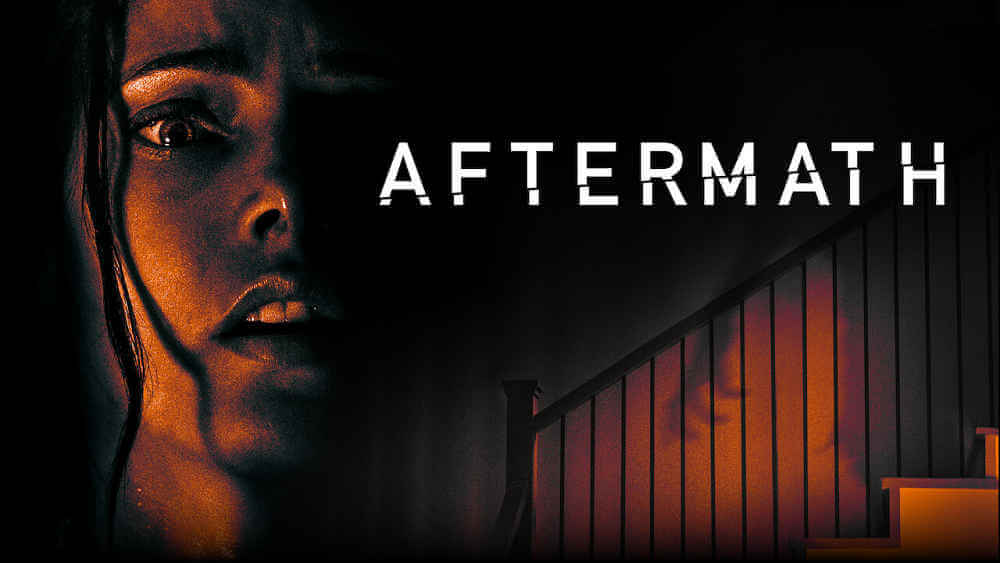
A young married couple who are struggling to deal with a betrayal in their relationship decide to start afresh by moving into a newly renovated dream house in a new, shiny suburban neighbourhood. The dream home for the dream price, but is it too good to be true? (hint: it’s too good to be true)
Aftermath is fairly standard house invasion/freaky stalker living in the walls/is-it-a-ghost-is-it-a-squatter-is-it-in-her-mind schtick. But it’s thrillingly directed by Peter Winther, better known as a producer (of such flicks as Independence Day and The Patriot). This film is a mishmash of other films and the true story of a jealous home bidder. The main plot twists are clear a mile coming (any doubts on what’s going to happen to the family dog?), but the film was riveting.
There were a few melodramatic TV movie aspects, but Aftermath never goes overboard. The acting was also highly compelling. I really found myself lost in the world of the film, and that’s a testimony to all involved including young actress-screenwriter Dakota Gorman.
No classic, but this is thoroughly entertaining stuff.
We’re living in a golden age of TV series, especially for fantasy and science fiction adapted from works of literature.
We’re living in a golden age of TV series, especially for fantasy and science fiction adapted from works of literature. I’m thinking especially Game of Thrones and The Man in the High Castle. And I’m now keenly awaiting the upcoming BBC series based on Phillip Pullman’s His Dark Materials trilogy. This gives me hope that maybe some other of my favourite books might get adapted — and adapted well! I previously foretold there would be a series of Lord of the Rings, and it’s actually now happening.
Earthsea. Classic Ursula Le Guinn fantasy series set on a world of islands. This phenomenal world of creative genius needs a wider audience.
Discworld. This could actually be multiple series, with each based on one set of characters. Each book more-or-less can be one season, all books could form the whole series. Focus on maybe wizards, city watch, death, nowt else. Or a series based on one of the set of characters, e.g., the City Watch, but with each book more-or-less being a season. In any case, there are loads of great characters and stories to come out of the fertile mind of the late, great Sir Terry Pratchett.
Stargate. I want a total reboot, remake, reimagining of the Stargate and SG1 franchise. Get back to the basics of the Von Däniken “Chariots of the Gods” theory that the very most ancient gods were actually extraterrestrials, keep it with the Egyptian and Babylonian gods. Stargate SG1 had a very Star Trek: The Next Generation vibe of intergalactical banterous romp; I would want a reboot to have a darker, “edgy” DS9 type vibe.
In this post, I wanna share how I became a dedicated Star Trek fan.
NOTE: this article originally came out in 2017
Ever since I heard that a new Star Trek series (Star Trek: Discovery) was definitely for real actually happening, to be released this year, I’ve been super hyped and also a bit scared — what if it doesn’t live up to my hopes?
As you can tell, I’m a massive Trekkie… Or Trekker… whatever, I don’t care, but that’s for another post. In this post, I wanna share how I became a dedicated Star Trek fan.
I was born in 1984. When I was a kid, back in the dark days when the UK only had four channels and we heard mythical stories about how in America they had FORTY, the replays of the original Trekwere always on the telly at weekends. But I never paid attention. It was just another rubbishy show from the ’60s. It barely registered in my consciousness. I much preferred Land of the Giants(!)
Fast forward to age nine-ish. Star Trek: The Next Generation, the Trek reboot, had been running for several years and still I didn’t notice. And then one day, a season five episode came on: Cause and Effect. It involves the Starship Enterprise being stuck in a timeloop; the same catastrophe-tainted day keeps repeating itself. Think sci-fi horror version of Groundhog Day, or the film Triangle, but in space, and with dodgier make-up and production values. I was sold.
I won’t ruin the episode for you. Check it out on Netflix! But it marks the sort of intelligent, mind-bending stories that were par for the course in Trek. Every time a new mindbender or time-travel flick comes out, like Looper, I love it. But I always refer people to Trek.
If you’re new to Star Trek, here’s a few more episodes you might want to take a look at (all currently available on Netflix):
The Visitor (Deep Space Nine, series 4 episode 2): another great time-travel episode.
Hard Time (Deep Space Nine, series 4 episode 18): the psychology of guilt and suffering.
In The Pale Moonlight (Deep Space Nine, series 6 episode 19): the hardship of keeping your principles in war.
Trials and Tribble-ations (Deep Space Nine, series 5 episode 6): a good example of the lighter-hearted side of Trek, which pays homage to the original series with some neat special effects.
Sadly, no matter how I wax lyrical about the virtues of Trek, nobody’s buying it. The rubber ears, the dodgy acting, the huge number of episodes where, yes, nothing really happens. Sadly, TV has moved on. There is no Trek that fits modern conventions. For example, series are now limited to around ten episodes a season, there are no “one-off” episodes, and it’s all about moving the plot forward. The closest Trek came to this, and arguably it was instrumental in pre-empting the current trend, was the Dominion War story arc from Star Trek: Deep Space Nine (my favourite incarnation of Trek, for what it’s worth).
But now with Star Trek: Discovery, I hope a new Trek for a new televisual era will be born, a Trek that captures the imagination of the young as much as the new Star Wars films have, as much as that episode of Star Trek: The Next Generation captured mine some twenty plus years ago.
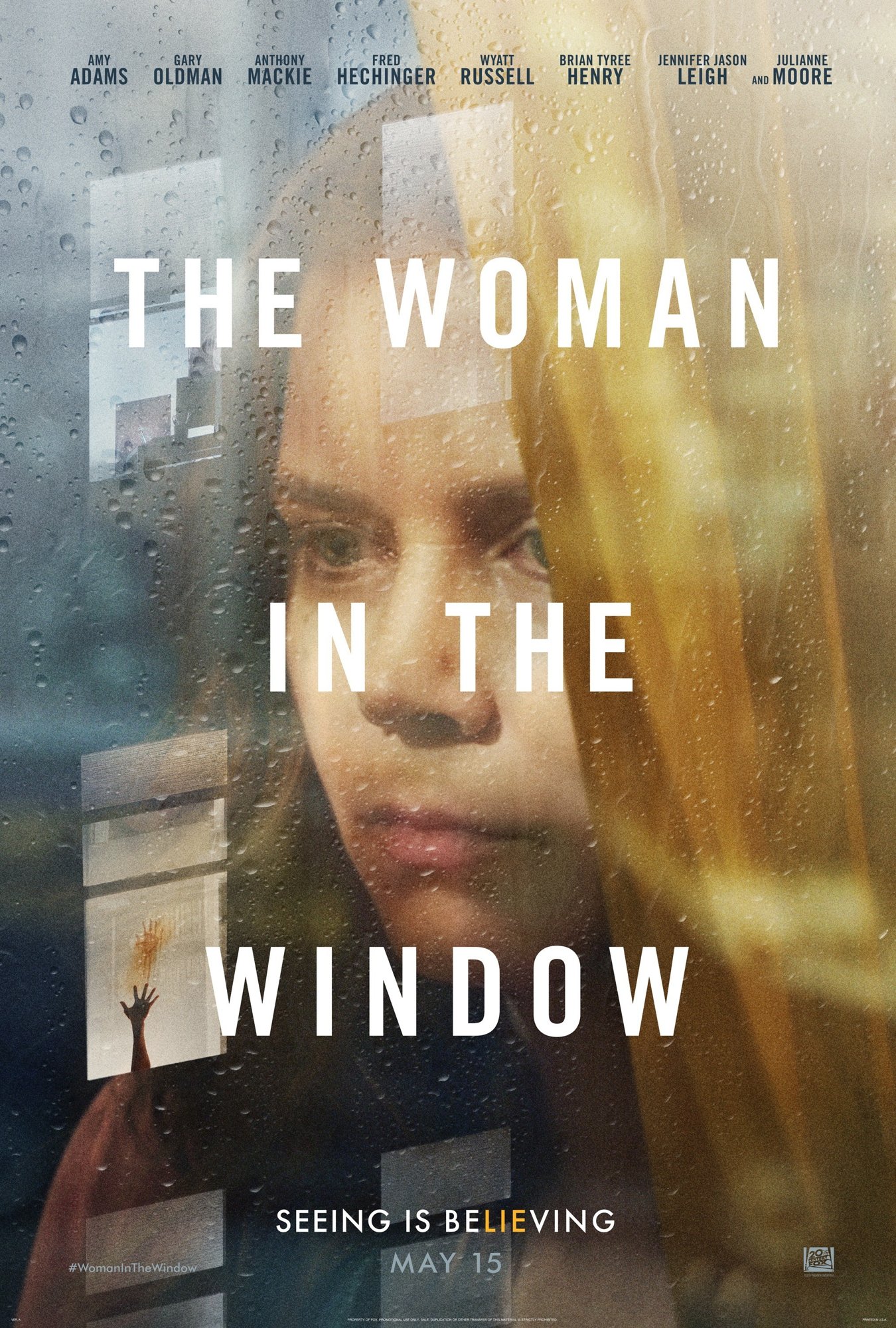
Agoraphobic divorcee Anna Fox (Amy Adams) is increasingly losing touch with reality, most of her days are spent staring out of her window and spying on her neighbours. But one day she witnesses her next door neighbour, and sole friend, Jane Russell (Julianne Moore) murdered in her own house. However, when the police check it out, it turns out that her neighbour is well and alive, but is not the woman that Anna knows (Jennifer Jason Leigh).
Is Anna crazy, or is there a cover-up afoot? The Woman in the Window is a thrilling mystery crime drama. Off-kilter performances and direction with several twists.
There is a vaguely Scream-esque aspect to the final reveal, but done straight-faced. That’s not necessarily a good thing. Other aspects of the film are slightly derivative. None-the-less, the movie was well acted, logically scripted, and compellingly directed.
A really good movie, albeit one which underuses its wonderful cast.
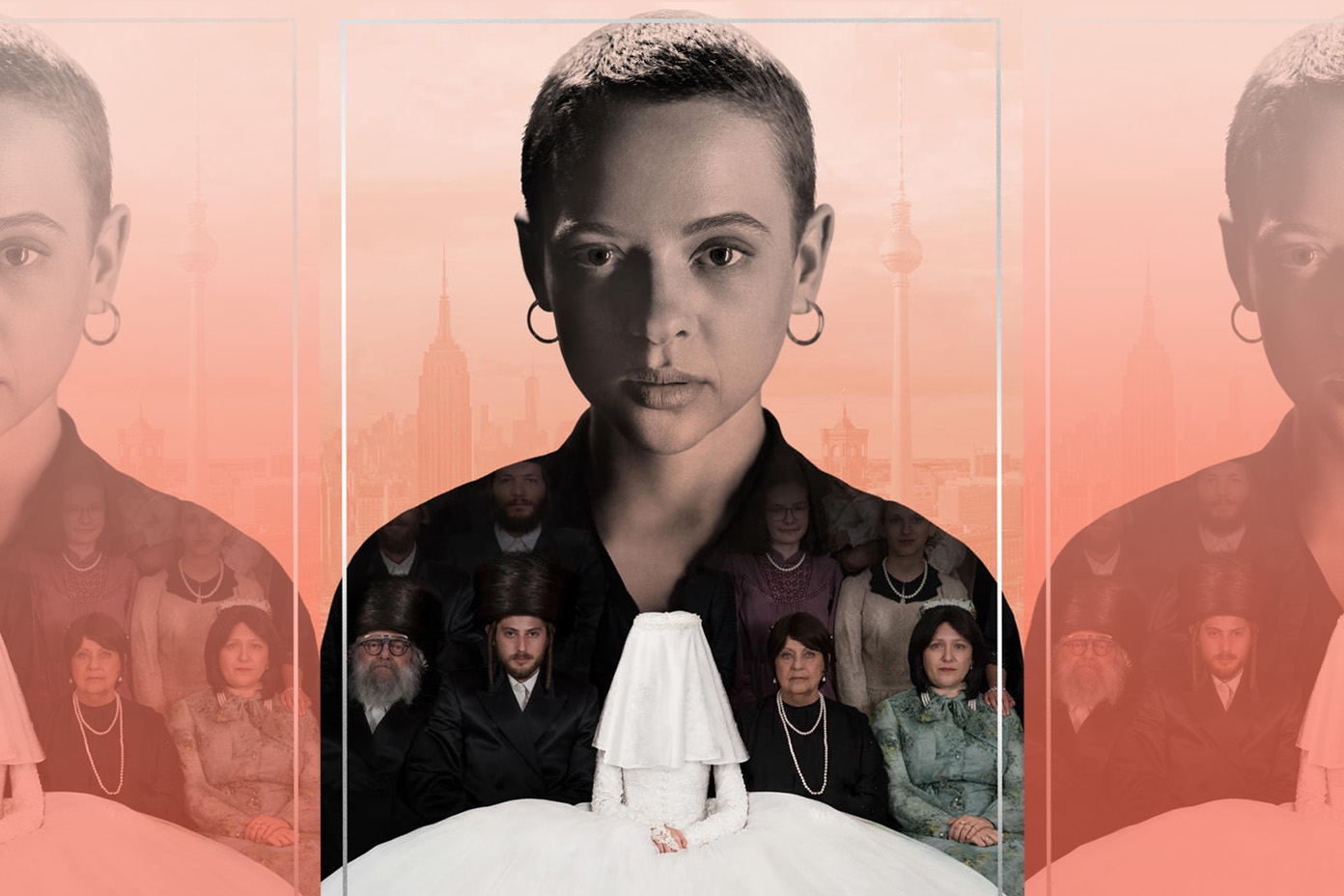
Unorthodox is the story of Esther (Shira Haas), a nineteen year old from a Hasidic Jewish community in New York, who tries to flee her arranged marriage and authoritarian community to build a new life for herself. But will her community, or her husband, let her escape?
Unorthodox is, I believe, the first Netflix series shot in Yiddish, which makes it notable. It’s an engrossing story which paints a powerful picture of a repressive community without ever getting into Judaism-bashing. The limited series was infused with realism.
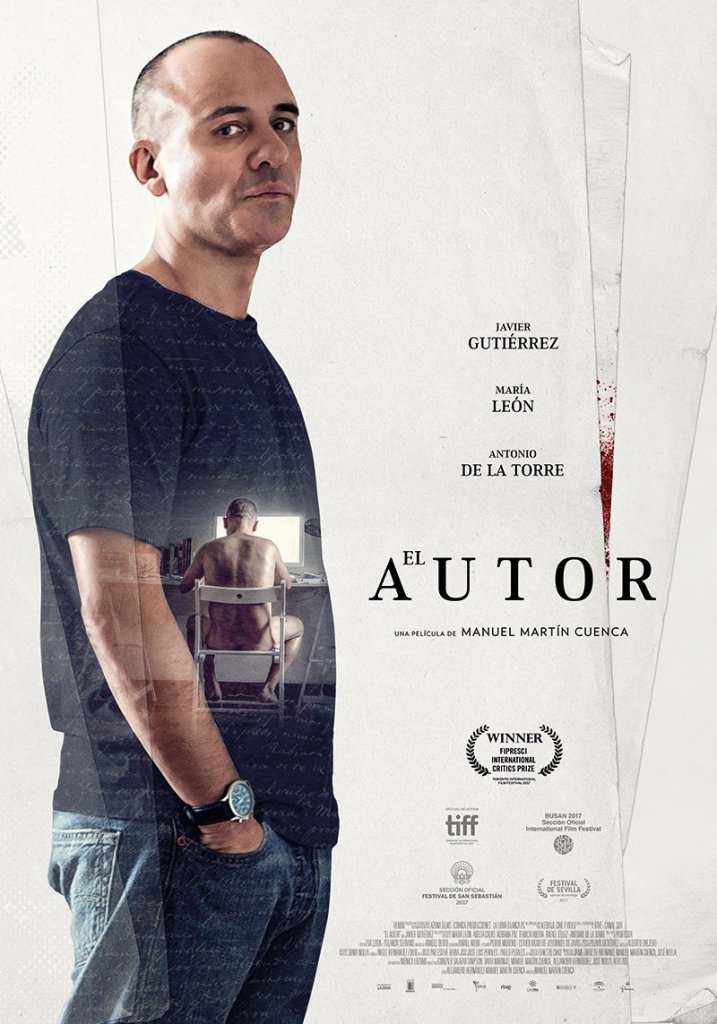
Beautifully portrayed by sociopath-on-demand Javier Gutiérrez
Álvaro (Javier Gutiérrez) is a worn-out notary who harbours dreams of becoming a successful writer of high literature and is thoroughly tired of people constantly going on about his successful wife Amanda’s (María Leon) latest novel. “Writing about what you know” doesn’t yield great results when you’re a boring clerk, so Alvaro decides to cause conflict in his own life and the life of those around him in the hope that this will bring better results.
The Motive a.k.a. El Autor (‘The Author’) is a slow-moving, delicate yet thrilling character study. Beautifully portrayed by sociopath-on-demand Javier Gutiérrez (see The Occupant), we can see the cogs turning in Álvaro’s brain by the slightest pause or flicker of the eyes. Gutiérrez brings everything to this highly believable portrayal.
The script, based on Javier Cercas’ 1987 novella, is highly believable. But despite its strengths, this film will not to be everyone’s tastes. There isn’t a lot of “action”, but there is a lot of scheming. Nonetheless, a fantastic movie.








 Bryan's Magic Lantern Filmhouse